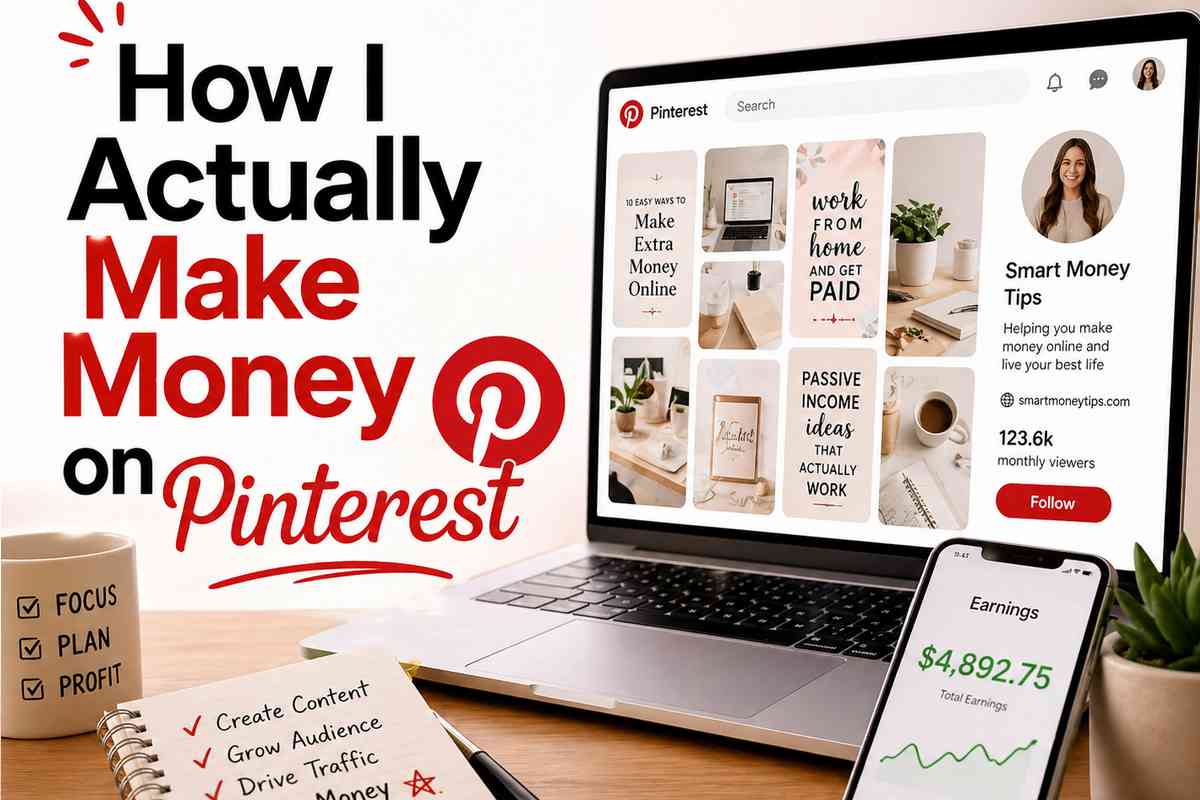
Let me be real with you for a second. When I first heard people were making money on Pinterest, I thought it was another one of those “get rich quick” scams. I mean, come on — a platform where people save recipes and home decor ideas? Making actual cash from that?
But then I tried it. And honestly? It works. Not overnight, not without effort, but it works. Pinterest isn’t really social media — it’s a search engine. People go there with intent. They want to buy stuff, plan stuff, learn stuff. That makes it way more powerful than scrolling through Instagram or TikTok.
Advertisements
So here’s the full breakdown. No fluff, no guru talk. Just real ways to earn from Pinterest in 2026, whether you have a blog, a product, or literally nothing but a phone and some free time.
WE’RE HERE TO HELP YOU
Check Your Eligibility
Get a simplified CRS-like estimate based on age, education, English level, experience, and key bonuses. Informational only — not a legal decision.
Eligibility Form
Fill the fields below to get your estimated score.
Why Pinterest Is Different (And Why That Matters)
Here’s the thing most people miss: Pinterest content doesn’t die.
Post something on Instagram or TikTok, and it’s gone in 48 hours. A pin on Pinterest? It can drive traffic for months or even years. I’ve got pins I made six months ago that are still getting clicks today while I sleep
.
Plus, people on Pinterest are in “buying mode.” They’re searching for “best kitchen gadgets” or “small bedroom ideas” — they already want to spend money. Your job is just to show them where to go.
Advertisements
And the best part? You don’t need thousands of followers. You don’t even need a blog. I made my first affiliate sale with zero audience, no website, and three pins I designed in Canva
Real Ways to Make Money on Pinterest
1. Affiliate Marketing (No Blog Needed)
This is where most beginners start, and for good reason. Pinterest actually allows affiliate links directly in your pins
. That’s huge.
Here’s how it works: You find a product you like, grab your affiliate link from Amazon Associates, ShareASale, or CJ Affiliate, create a pin about it, and link directly to the product. When someone clicks and buys, you get a commission.
What actually sells on Pinterest:
- Kitchen gadgets and home organizers
- Fitness gear and wellness products
- Budget planners and productivity tools
- Seasonal gift guides (these crush it during holidays)
Pro tip: Don’t just post a product photo and call it a day. Create a pin that solves a problem. Instead of “Nice Blender,” try “5 Smoothie Recipes That Take 2 Minutes” and link to the blender you use. People click because they want the recipes, and some end up buying the blender
Real talk on earnings: A new account might make $30–$50 in the first few months. But once you hit your stride? Established accounts can pull in $1,000–$2,000+ monthly
. It compounds over time.
2. Sell Digital Products (My Favorite)
If you want something closer to passive income, sell digital products. You make it once, and you can sell it forever. No shipping, no inventory, no headaches.
What sells well on Pinterest:
- Printable planners and budget templates
- Recipe ebooks and meal plans
- Social media templates for Canva
- Wedding planning checklists
- Fitness guides and workout plans
I know someone who sells printable budget planners on Etsy and drives 90% of her traffic from Pinterest. She makes around $800–$1,200 a month, and she created the planner once two years ago
How to start: Design your product in Canva, list it on Etsy or Gumroad, then create 5–10 different pins pointing to your listing. Use keywords like “free budget planner printable” or “meal prep guide PDF” in your pin descriptions.
3. Print-on-Demand
This is perfect if you’re creative but don’t want to handle physical products. You design a graphic, upload it to a print-on-demand service like Printful or Printify, and they print it on t-shirts, mugs, phone cases — whatever — and ship it when someone orders
.
Pinterest is made for this because it’s visual. A well-designed pin showing a funny mug or aesthetic t-shirt can go viral fast.
Niches that work:
- Pet-themed products (dog moms go crazy for this stuff)
- Funny quotes for teachers/nurses
- Astrology and zodiac designs
- Minimalist home decor prints
You don’t need to be a graphic designer. Canva templates and AI tools make this super accessible now.
4. Drive Traffic to a Monetized Blog
If you already have a blog, Pinterest is basically free traffic. And if you don’t? It’s still worth considering.
Here’s the math: You write a blog post about “10 Cozy Living Room Ideas on a Budget,” fill it with affiliate links to furniture and decor, then create 5–10 pins for that one post. Those pins send people to your blog, where they click your links and you earn commissions
Even with display ads (like Mediavine or AdThrive), more traffic = more money. A single viral pin can send 10,000+ visitors to your site in a month.
5. Become a Pinterest Virtual Assistant (VA)
Not into creating your own products? No problem. Tons of business owners and bloggers know Pinterest is valuable but have zero time to manage it. That’s where you come in.
As a Pinterest VA, you can:
- Design pins in Canva
- Write SEO-friendly descriptions
- Schedule content with Tailwind
- Manage group boards
- Run Pinterest ads for clients
Most VAs charge $300–$1,000+ per month per client
. Get 3–4 clients, and you’re looking at a solid side income or even a full-time salary.
You can find clients on Fiverr, Upwork, or even by reaching out directly to bloggers and small business owners on Instagram.
6. Sponsored Content (Once You Have Traction)
Brands will actually pay you to create pins featuring their products. You don’t need millions of followers — you just need an engaged audience in a specific niche.
I’ve seen creators with 5,000–10,000 monthly viewers land sponsored pin deals for $200–$500 per campaign
. Pinterest even has a built-in “paid partnership” tool to make this legit and transparent.
Focus on building one strong niche first (home decor, fashion, food, or fitness), and brands will start noticing.
How to Actually Get Started (Step-by-Step)
If you’re overwhelmed, here’s the simplest path to your first dollar:
Step 1: Set up a Pinterest Business Account (it’s free). This gives you analytics and unlocks features like rich pins
Step 2: Pick a niche. Don’t try to be everything. Choose one thing: budget meal prep, cozy home decor, productivity tools, or fitness for busy moms.
Step 3: Do keyword research. Type your niche into the Pinterest search bar and see what auto-suggests. Those are real things people are searching for. Use those exact phrases in your pin titles and descriptions
Step 4: Design your pins. Use Canva. Make them tall (2:3 ratio), easy to read on mobile, and visually appealing. Bright colors and clear text overlays work best.
Step 5: Pin consistently. Start with 3–5 fresh pins per day. Use a scheduler like Tailwind if you can’t be online every day
Step 6: Link to something that makes money. Whether it’s an affiliate product, your Etsy shop, or a digital download — every pin should have a purpose.
Realistic Earnings: What to Expect
Let’s kill the fantasy real quick. You’re not going to make $5,000 in your first month. Here’s what’s actually realistic:
Table
| Stage | Timeframe | Monthly Earnings |
|---|---|---|
| Beginner | 0–3 months | $0–$100 |
| Building | 3–9 months | $200–$800 |
| Growing | 9–18 months | $800–$2,500 |
| Established | 18+ months | $2,500–$10,000+ |
The people making serious money? They’ve been at it for a year or more, and they have hundreds of pins working for them simultaneously
. Pinterest is a slow burn, but once it catches, it really catches.
My Honest Advice
If I could go back and tell myself one thing when I started, it would be this: Stop overthinking the design and start publishing.
Your first pins will probably suck. Mine did. But you get better by doing it, not by watching tutorials for three weeks. Create 50 pins, see what gets clicks, and do more of that.
Also, don’t put all your eggs in one basket. Combine affiliate marketing with digital products. Or use Pinterest to drive traffic to your Etsy shop and build an email list. The creators making real money usually have 2–3 income streams flowing at once.
And please — don’t buy some $500 course promising you’ll make six figures in 30 days. Everything you need to learn is free on YouTube, Pinterest’s own business blog, and articles like this one.
Quick FAQ
Do I need a blog to make money on Pinterest? Nope. You can link affiliate products directly or use a simple landing page on Gumroad or Linktree
.
How many followers do I need? Followers don’t matter as much as on other platforms. I’ve seen accounts with 200 followers making sales because their pins show up in search
Is it really free to start? Yes. Canva is free. Pinterest is free. Affiliate programs are free to join. Your only investment is time.
How long until I make money? Most people see their first sale or commission within 30–90 days if they’re consistent. Some get lucky earlier, but plan for 2–3 months of building before expecting much
Bottom Line
Pinterest isn’t a get-rich-quick scheme. It’s a get-rich-slow-but-steady platform. But if you’re willing to put in the work upfront, it can become a genuine income stream that runs in the background while you focus on other things.
Pick one method from this article. Set up your account today. Design your first 10 pins this week. And keep going, even when it feels like nobody’s watching.
Because eventually, they will be. And some of them will click. And some of those clicks will turn into dollars.
That’s the Pinterest game. It’s simple, but it works.